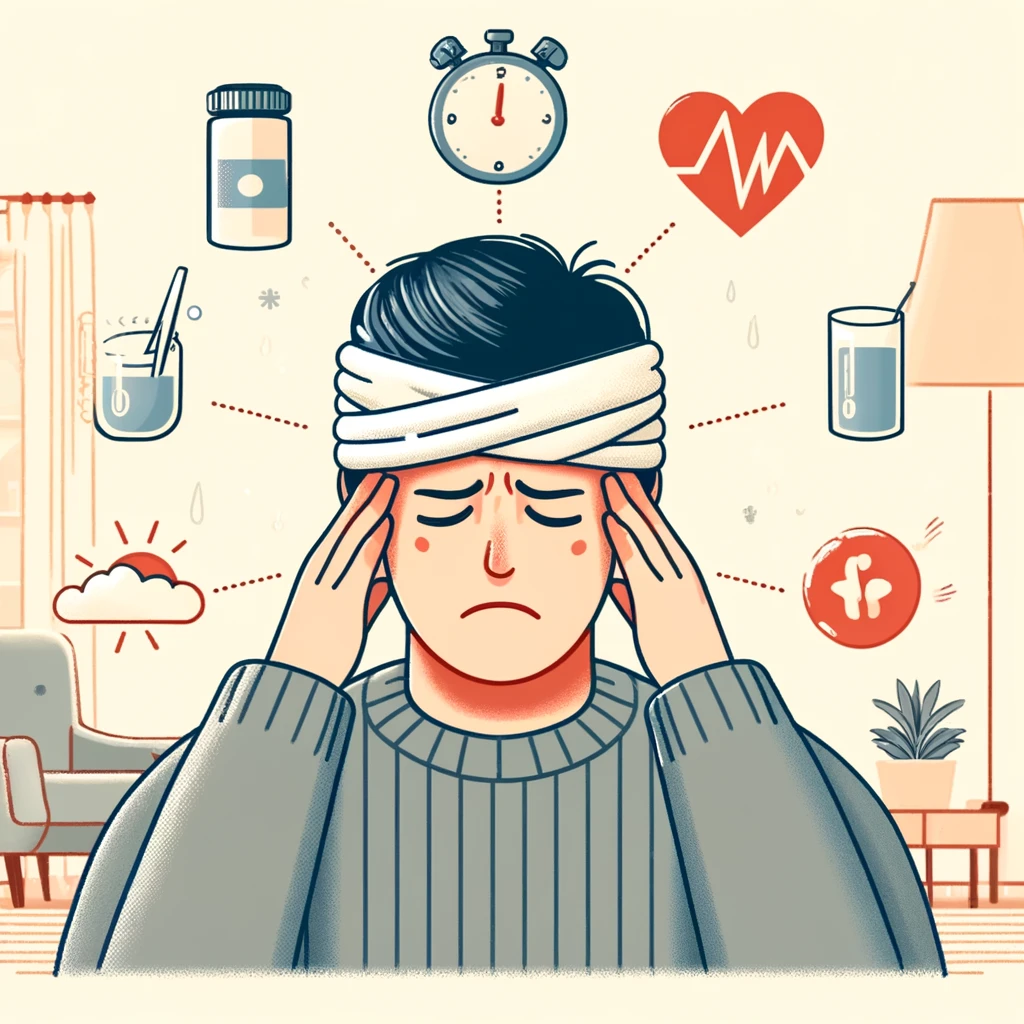
Tension-type headache (TTH) is the most common type of headache, affecting many people worldwide. It is characterized by a mild to moderate pain that feels like a tight band around the head. Unlike migraines, TTH usually does not come with nausea, vomiting, or sensitivity to light and sound.
What is Tension-Type Headache (TTH)?
TTH is a primary headache disorder, meaning it's not caused by another underlying condition. It happens due to an underlying tendency to have headaches. It is often described as a dull, pressure-like pain on both sides of the head. This headache is generally mild to moderate in intensity and doesn’t get worse with physical activity.
How Common is TTH?
TTH is the most common type of headache. Studies have shown that about 26% of people worldwide experience TTH. In the United States, around 38% of adults report having episodic TTH in a given year. It's more common in women and often begins during adolescence, peaking in the 30s and then declining with age.
Why Do People Get TTH?
The exact cause of TTH is not well understood. However, factors like stress, poor posture, and muscle tension in the head, neck, and shoulders are known to trigger these headaches. Genetics may also play a role, especially in chronic cases of TTH.
Symptoms of TTH
- A constant, tight pain on both sides of the head.
- A sensation of pressure or tightness around the forehead or the back of the head and neck.
- Tenderness in the scalp, neck, and shoulder muscles.
- No nausea or vomiting.
- Mild sensitivity to light or noise.
Types of TTH
TTH can be classified based on how often the headaches occur:
- Infrequent Episodic TTH: Less than one headache day per month.
- Frequent Episodic TTH: 1 to 14 headache days per month.
- Chronic TTH: 15 or more headache days per month for more than three months.
Impact on Daily Life
TTH can significantly affect a person’s quality of life. Chronic TTH can lead to missed workdays and reduced productivity. It can also impact social activities and overall well-being, especially if accompanied by other conditions like depression or anxiety.
Diagnosing TTH
Doctors diagnose TTH based on the patient’s symptoms and medical history. There are no specific tests for TTH, but doctors may perform examinations to rule out other causes of headaches like MRI scan, blood tests.
Managing and Treating TTH
While TTH is not usually a sign of a serious condition, it can be uncomfortable and disruptive. Here are some ways to manage and treat TTH:
- Over-the-counter pain relievers: Under the guidance of doctors
- Stress management: Techniques like relaxation exercises, meditation, and biofeedback can reduce stress and prevent headaches.
- Healthy lifestyle: Regular exercise, adequate sleep, and a balanced diet can help prevent TTH.
- Physical therapy: Strengthening and stretching exercises can reduce muscle tension and improve posture.
Goals of Treatment
When treating tension-type headaches (TTH), the main goals are to:
- Quickly relieve the headache pain (ideally within 2 to 4 hours).
- Ensure the pain relief lasts without the headache returning.
- Make sure that the headache responds well to treatment most of the time (at least 75% of the time).
- Use medication that is easy to take, has few side effects, and is affordable.
If a treatment doesn't meet at least two of these goals, it may be considered ineffective.
Initial Treatment
Most people treat TTH on their own using over-the-counter (OTC) medications. Here are some key principles for treating TTH:
- Treat Early: Taking medication early, as soon as the headache starts, is usually more effective.
- Use the Right Dose: Start with a dose that works for you. Some people need a higher dose initially, while others may find relief with a lower dose.
- Limit Frequency: Avoid taking headache medication too often to prevent medication overuse headaches. For example, simple pain relievers like ibuprofen should not be taken more than 14 days a month.
When to Seek Medical Help
For severe headaches that don't respond to OTC medications, or if you need quicker relief, a doctor may give you a medication through an IV or injection. Options include:
- Ketorolac (a strong pain reliever)
- Metoclopramide (also helps with nausea)
- Chlorpromazine (another pain relief option)
Managing Persistent Headaches
If your headaches don’t improve with initial treatment, a doctor may need to reevaluate your condition. Sometimes what seems like TTH could be another type of headache, such as:
- Migraine: Often more severe and can include nausea and sensitivity to light or sound.
- Chronic TTH: Headaches that occur 15 or more days per month.
- Medication Overuse Headache: Caused by frequent use of headache medications.
Preventive Treatment
If you have frequent or severe TTH, preventive treatments can help. This might include daily medications to reduce the number of headaches you get. Treating underlying conditions like anxiety or depression can also help.
Conclusion
Tension-type headaches are common and can be managed effectively with the right strategies. Understanding the triggers and maintaining a healthy lifestyle are key to reducing the frequency and severity of TTH. If you have concerns about your headaches, consult a healthcare professional for proper diagnosis and treatment.